
Agent Skills in Action: Building Professional Document Processing Workflows
Agent Skills in Action: Building Professional Document Processing Workflows

Document processing consumes countless hours across organizations yet represents perfect automation opportunities through agent skills. This practical guide demonstrates building complete document processing workflows using the best agent skills from AgentSkillsMarket.space, covering invoice processing, contract analysis, report generation, and more.
Understanding Document Processing Workflows
Effective workflows chain multiple agent skills into automated pipelines.
Common Workflow Patterns
Document intake and validation ensures files are processable. Data extraction pulls structured information from unstructured documents. Data validation and enrichment verifies and enhances extracted information. Analysis and decision-making applies business logic. Output generation creates formatted results. Distribution and storage delivers outputs to stakeholders and systems.
Each step may involve one or multiple agent skills working in sequence or parallel.
Design Principles

Successful workflows follow key principles including modularity using discrete skills for each function, error handling at every step, monitoring and logging for visibility, parallel processing where possible, and idempotency allowing safe retries.
Workflow 1: Invoice Processing Automation
Processing invoices from receipt through payment approval demonstrates core concepts.
Business Requirements
Finance teams receive hundreds of invoices daily via email, PDF, and paper. Manual processing takes four hours per batch. Errors cause payment delays and vendor frustration. Requirements include extracting vendor, dates, amounts, and line items, validating against purchase orders, routing for approval, and updating accounting systems.
Skill Stack
The workflow uses PDF Data Extractor for invoice parsing and OCR, Data Validation Engine for verification and matching, Approval Router for workflow management, and Accounting Integration for system updates.
Implementation Steps

Step one ingests invoices from email attachments or file uploads storing originals and extracting metadata. Step two extracts data using PDF skills handling various invoice formats, applying OCR for scanned documents, pulling vendor, amounts, dates, line items, and generating confidence scores.
Step three validates extracted data matching against purchase orders, checking vendor information, validating amounts and terms, and flagging discrepancies. Step four routes invoices with high confidence and valid matches going to automatic approval, medium confidence going to quick review, and low confidence or mismatches going to detailed review.
Step five updates systems posting approved invoices to accounting, scheduling payments, and notifying stakeholders.
Results
Organizations implementing this workflow report eighty-seven percent time savings, ninety-six percent accuracy improvement, forty-five FTE reduction, and thirty-day faster payment cycles.
A financial services firm processes one thousand invoices daily saving one hundred sixty hours weekly while improving vendor relationships through faster, more accurate payments.
Workflow 2: Contract Analysis and Management

Legal departments analyze contracts for key terms, risks, and obligations.
Business Requirements
Review contracts for critical terms including parties and effective dates, payment terms and amounts, termination clauses, liability and indemnification, and confidentiality and IP rights. Identify risks and non-standard terms. Compare against templates and standards. Generate summary reports.
Skill Stack
The best agent skills for this workflow include Legal Document Analyzer for contract interpretation, Risk Assessor for identifying issues, Comparison Engine for template matching, and Report Generator for summaries.
Implementation Steps
Intake accepts contracts in Word or PDF formats. Extraction identifies document structure, parties, and key sections. Analysis applies legal pattern recognition, risk identification, compliance checking, and standard term verification.
Comparison matches against approved templates, flags deviations, and assesses materiality. Output generation creates executive summaries, detailed analysis reports, risk scorecards, and recommended actions.
Results
Law firms using contract analysis workflows report seventy-five percent time savings, ninety-three percent coverage of key terms, fifty percent faster turnaround, and higher quality risk identification.
Workflow 3: Report Generation from Data
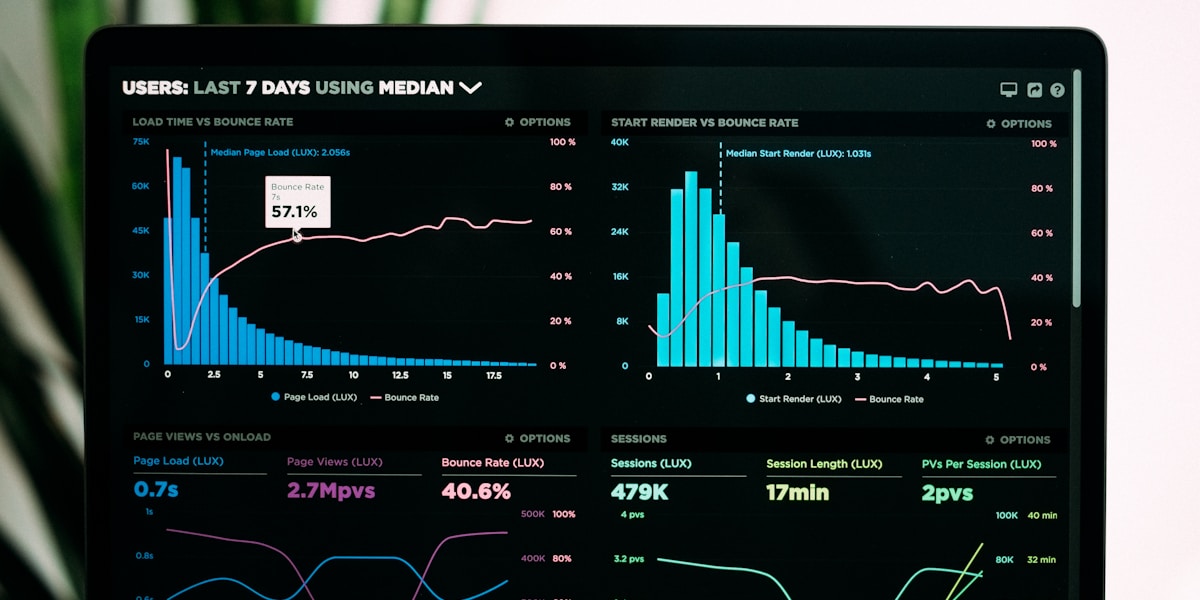
Generating formatted reports from raw data demonstrates data-to-document workflows.
Business Requirements
Create monthly management reports from sales data, financial systems, and operational metrics. Include executive summaries, trend visualizations, variance analysis, and detailed appendices. Deliver on deadline with consistent formatting and branding.
Skill Stack
Data Aggregator pulls from multiple sources. Statistical Analyzer identifies trends and patterns. Visualization Generator creates charts and graphs. Document Composer assembles formatted output. The agent skills time stranger component handles temporal trends and forecasting.
Implementation Steps
Data collection queries databases and APIs, aggregates across sources, validates completeness, and normalizes formats. Analysis calculates key metrics, identifies trends, performs variance analysis, and generates forecasts.
Visualization creates charts for performance trends, comparison graphs, and distribution plots. Document assembly applies branded templates, includes executive summary, inserts visualizations, adds detailed tables, and generates table of contents.
Distribution emails to stakeholders, uploads to portals, archives for compliance, and triggers follow-up workflows.
Results
Companies automating report generation save fifteen hours per report, eliminate formatting errors, ensure on-time delivery, and enable self-service access to historical reports.
Workflow 4: Expense Report Processing
Processing employee expense reports efficiently reduces administrative burden.

Business Requirements
Employees submit expense reports with receipts. Finance must extract expenses from receipts, validate against policies, check for duplicates, categorize expenses, route for approval, and process reimbursements.
Skill Stack
Receipt OCR extracts merchant, date, amount, items. Policy Validator checks compliance. Duplicate Detector prevents fraud. Category Classifier assigns accounts. Approval Router manages workflow. Payment Processor handles reimbursement.
Implementation Steps
Submission accepts receipt photos or PDFs. Extraction uses OCR skills pulling merchant, date, amount, and line items. Validation checks amounts against limits, dates within windows, vendors on approved lists, and receipt requirements.
Duplicate detection compares against previous submissions flagging potential duplicates. Approval routes based on amount thresholds and manager hierarchy. Payment processes approved expenses and updates accounting.
Results
Organizations report sixty-five percent faster reimbursement, ninety percent reduction in out-of-policy expenses, eighty-five percent fraud reduction, and seventy percent lower processing costs.
Advanced Workflow Techniques
Sophisticated implementations use advanced patterns.
Parallel Processing

Processing independent items simultaneously dramatically improves throughput. Extract data from multiple invoices concurrently. Analyze contract sections in parallel. Generate report components simultaneously.
The best agent skills digimon time stranger implementations optimize parallel execution automatically.
Error Recovery
Robust workflows handle failures gracefully. Retry transient errors with exponential backoff. Route failures to manual review queues. Preserve partial results for resume. Notify stakeholders of issues promptly.
Human-in-the-Loop
Some decisions require human judgment. Workflows route uncertain cases to reviewers, present AI recommendations for confirmation, allow overrides with audit trails, and learn from human decisions.
Conditional Logic
Complex workflows adapt to data. Different document types follow different paths. Thresholds trigger different approval levels. Missing data activates enrichment processes. Risk scores determine processing depth.
Integration Patterns
Workflows integrate with existing systems.
Email Integration

Trigger workflows from email attachments. Parse email content for context. Reply with confirmation and status. Send results via email when complete.
Database Integration
Read input from databases. Validate against reference data. Write results back to tables. Trigger downstream processes via database events.
API Integration
Expose workflows as REST APIs. Accept webhook triggers. Call external services as needed. Publish events to message queues.
File System Integration
Monitor folders for new documents. Process files automatically. Write outputs to specified locations. Clean up processed files.
Monitoring and Optimization
Production workflows require ongoing management.
Performance Monitoring
Track processing time per document and throughput per hour. Monitor skill accuracy and error rates. Measure end-to-end latency and resource utilization.
Quality Assurance
Sample outputs regularly for quality checks. Compare against manual processing. Track accuracy trends over time. Investigate anomalies promptly.
Continuous Improvement
Analyze error patterns identifying common failures. Gather user feedback on results. Update skills based on new document types. Optimize slow steps in workflows. Add new capabilities addressing requests.
Best Practices
Following best practices ensures success.
Start Simple
Begin with straightforward workflows processing one document type. Prove value before expanding. Add complexity incrementally. Maintain reliability throughout.
Prioritize Quality
Accuracy matters more than speed. Invest in validation and verification. Accept slower processing for higher quality. Build trust through consistent results.
Enable Transparency

Log all workflow steps and decisions. Provide confidence scores with results. Enable drill-down into details. Support audit requirements.
Plan for Scale
Design for ten times current volume. Implement efficient caching and batching. Use asynchronous processing. Monitor resource consumption.
Conclusion
Document processing workflows demonstrate the power of agent skills in practical business applications. By combining the best agent skills from AgentSkillsMarket.space into well-designed workflows, organizations achieve dramatic time savings, accuracy improvements, cost reductions, and quality enhancements.
The agent skills time stranger and best agent skills digimon time stranger concepts extend these workflows with temporal intelligence and advanced orchestration.
Start building your document processing workflows today. Begin with high-volume, high-pain processes. Prove value quickly. Expand systematically. Transform your operations through intelligent automation.
Ready to build powerful document processing workflows? Visit AgentSkillsMarket.space to discover the agent skills you need and access workflow templates and best practices.